




 English
 русский
 Español
Understanding Safety Standards: What Does CE Certification Mean for Hydraulic Lifts?
When sourcing heavy machinery—especially hydraulic automotive lifts and industrial hoists—equipment safety and compliance are paramount. For global buyers, distributors, and shop owners, seeing the CE mark on a hydraulic lift is often a non-negotiable requirement.
But what does CE certification actually mean for hydraulic lifting equipment, and why should it be a top priority for your procurement process?
What is CE Certification for Hydraulic Lifts?
The CE (Conformité Européenne) mark is a mandatory conformity marking for products sold within the European Economic Area (EEA). However, its influence extends far beyond Europe: global buyers in Latin America, the Middle East, Southeast Asia, and Africa frequently treat CE certification as a universal benchmark for manufacturing quality and operational safety.
For hydraulic lifts, CE certification proves that the equipment complies with essential health, safety, and environmental protection standards established by European Union Directives.
Key Directives Governing Hydraulic Lift CE Compliance
Hydraulic lifting equipment falls under strict machinery categories. To earn a CE mark, a hydraulic lift must comply with several core EU directives:
1. Machinery Directive (2006/42/EC)
This is the foundational directive for all lifting equipment. It enforces rigorous design and build standards to prevent mechanical failure, pinch hazards, and structural fatigue.
2. Low Voltage Directive (2014/35/EU)
Ensures that electrical components within the hydraulic power unit (motors, switches, control boxes) operate safely without risk of electric shock or electrical fires.
3. Electromagnetic Compatibility (EMC) Directive (2014/30/EU)
Guarantees that the lift's electronic systems do not emit harmful electromagnetic interference and remain immune to interference from surrounding equipment in a busy shop environment.
Critical Safety & Engineering Standards: EN 1493
While general directives set the framework, EN 1493 is the specific European standard dedicated exclusively to vehicle lifts.
To pass EN 1493 testing, a hydraulic lift undergoes stringent physical evaluation, including:
-
Overload Testing: Testing structural integrity at 125% of rated capacity for static loads and 110% for dynamic loads.
-
Mechanical Safety Locks: Multi-position mechanical safety latches that engage automatically to prevent free-fall in the event of hydraulic pressure loss.
-
Hydraulic Protection Systems: Integrated velocity fuses and anti-burst valves built into hydraulic cylinders to prevent rapid descent if a hose fails.
-
Synchronization Controls: Mechanical cable or electronic synchronization systems ensuring two-post and four-post lifts raise evenly across all columns.
-
Toe Protection & Emergency Stops: Physical barriers and dead-man controls that immediately halt movement if an operator releases the switch.
Why CE-Certified Hydraulic Lifts Matter for Your Business
Whether you are a garage owner, an equipment importer, or a regional distributor, investing in CE-certified hydraulic lifts offers distinct operational advantages:
-
Regulatory Compliance & Smooth Importation: Avoid customs delays, rejections, or legal issues when clearing customs in Europe and other strict regulatory regions.
-
Liability & Safety Assurance: Protect your workforce and facility from catastrophic failures. CE certification significantly lowers workplace accident risks and associated liability costs.
-
Higher Resale Value & Brand Trust: End-users trust CE-marked products. Offering certified equipment strengthens your reputation as a reliable vendor of professional automotive equipment.
-
Standardized Component Quality: CE compliance requires high-grade steel, certified welding quality, and reliable hydraulic seals, ensuring a longer product lifespan and lower maintenance downtime.
How to Verify Authentic CE Certification
Not all "CE" marks are equal. To ensure your supplier provides legitimate certification:
-
Request the Certificate of Conformity: Ask your manufacturer for the official CE certificate issued by an accredited Notified Body (such as TÜV, SGS, or Bureau Veritas).
-
Check the Type-Examination Certificate: For vehicle lifts (classified under Annex IV machinery), third-party type examination by a Notified Body is required—self-declaration is generally not sufficient.
-
Inspect the Manufacturer's Nameplate: Authentic CE equipment features a durable nameplate displaying the CE logo, serial number, rated capacity, manufacturing date, and manufacturer details.
Partnering with a Certified Manufacturer
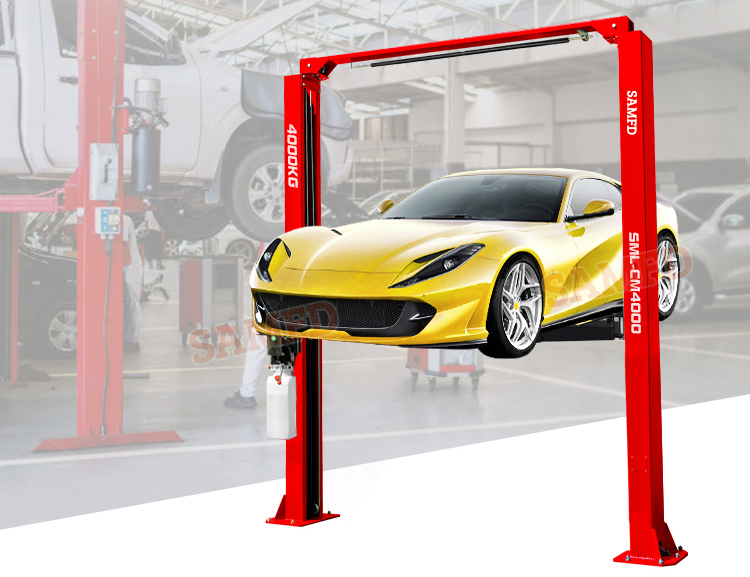
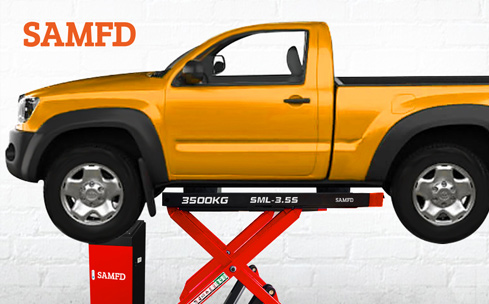
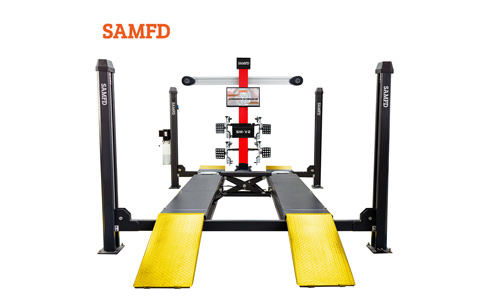
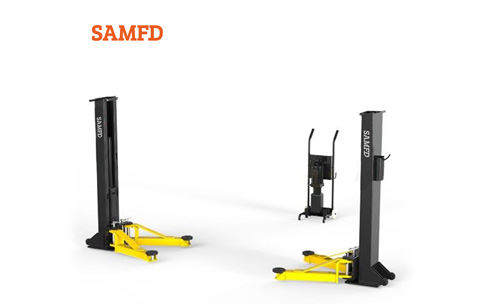
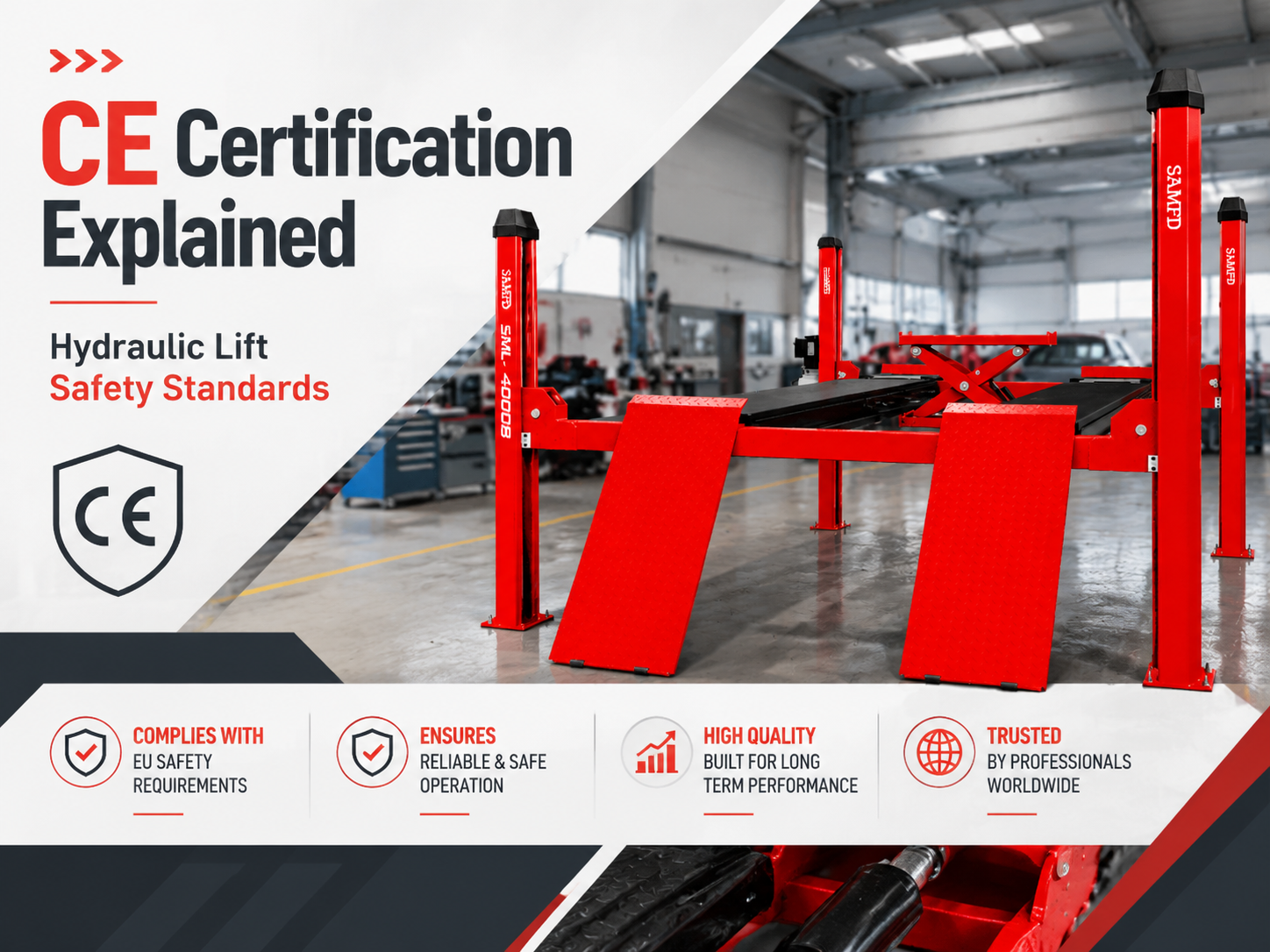
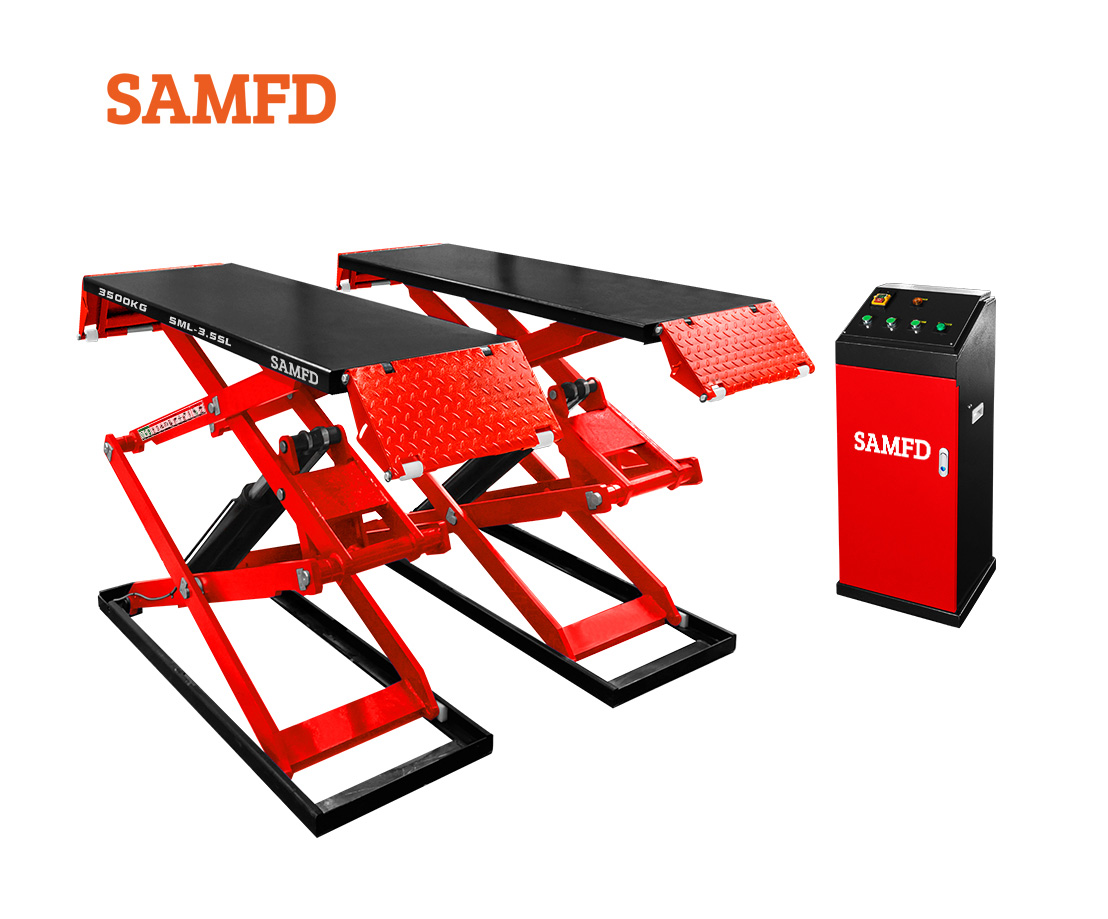
At Yantai Sunmo Electronic Equipment Co., Ltd. , safety and precision engineering are at the core of our manufacturing process. Our complete lineup of hydraulic lifts—including two-post lifts, four-post lifts, and scissor lifts—is fully engineered and tested to meet international CE and EN 1493 standards.
Looking to import certified, high-performance hydraulic lifts for your market?
[Contact our engineering and sales team today] to request technical datasheets, CE documentation, and wholesale factory pricing.
Recommended Products
LEAVE A MESSAGE
Fill in your phone and email information, and we will contact you promptly to resolve your issue as soon as possible